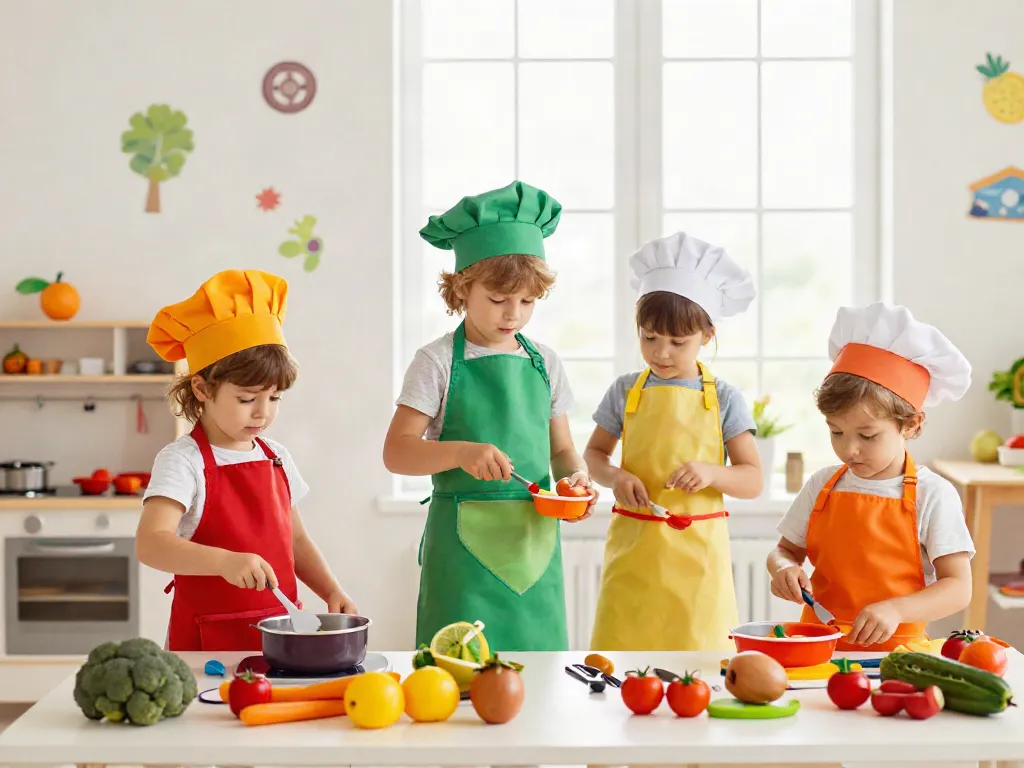
The Evolution of Toy Kitchens: Trends to Watch in 2026
The landscape of toy kitchen designs has experienced a remarkable transformation over the years, reflecting broader societal changes and technological advancements. From the classic wooden models of the past to today’s vibrant and interactive sets, these play kitchens have come to embody creativity, learning, and fun for children. As we look towards 2026, several key trends are emerging that will shape the future of toy kitchens, making them more appealing and educational for young chefs.
How Toy Kitchen Designs Have Changed Over Time
Initially, toy kitchens were simple wooden structures that allowed children to mimic adult behaviours by cooking, cleaning, and serving. Over the years, there has been a marked shift towards more detailed and realistic designs. Modern toy kitchens often include interactive features such as lights, sounds, and even smart technology that allows for virtual cooking experiences. These advancements not only enhance play but also encourage imaginative role-playing, making the experience even more engaging for children.
Today's toy kitchens are also designed with inclusivity in mind, catering to diverse cultural representations and gender-neutral designs. This evolution signals an understanding of how crucial it is for children to see themselves in their play environments, promoting confidence and creativity.
Innovative Materials and Safety Standards
As safety remains a top priority, manufacturers have innovated in selecting materials that are both durable and non-toxic. Parents are increasingly seeking out play kitchens that are made from sustainable materials, such as bamboo and recycled plastics. These choices not only provide peace of mind but also align with growing environmental consciousness that is influencing purchasing decisions.
New safety standards have also been established, ensuring that toys are free from harmful chemicals and designed to withstand the rigours of active play. This focus on safety and sustainability is set to continue in 2026, with brands investing in research to further enhance product safety and eco-friendliness.
Influence of Technology on Toy Kitchen Sets
The integration of technology into toy kitchens is a significant trend. Innovative features such as augmented reality (AR) and Bluetooth connectivity are making their way into playsets, allowing children to engage in cooking games with real-time feedback and interaction. For instance, some kitchens now come with apps that guide children through simple recipes or provide fun cooking challenges.
This tech-friendly approach not only makes playtime more enjoyable but also helps develop useful skills such as following instructions, measuring, and understanding basic cooking techniques. As technology continues to evolve, we can anticipate even more exciting developments in toy kitchens beyond 2026.
Choosing the Perfect Toy Kitchen for Your Child
When selecting the right toy kitchen for your child, it’s vital to consider various factors to ensure the best fit. Key considerations include the child’s age, interests, and developmental needs. A well-chosen toy kitchen can significantly enhance the play experience and foster learning.
Age Appropriateness: Finding the Right Size and Features
Toy kitchens come in various sizes and designs, each suited to different age groups. For toddlers, smaller kitchen sets with bright colours and fewer components tend to be ideal, as they encourage exploration without overwhelming them. As children grow older, they may prefer larger units that include more intricate accessories, like cooking tools and food items, which foster imaginative play.
It's essential to consider the physical and cognitive abilities of your child to choose a kitchen that offers appropriate challenges. Look for kitchens that engage their curiosity without causing frustration.
Top Features to Look for in a Toy Kitchen
When evaluating different toy kitchens, certain features stand out as particularly beneficial:
- Interactive Elements: Kitchens with lights, sounds, or touch sensors enhance engagement.
- Accessories: Including pots, pans, and play food helps create a more comprehensive play experience.
- Durability: Look for kitchens made from high-quality materials that can withstand robust play.
- Easy Assembly: Features that simplify setup can be a significant advantage for parents.
Understanding Different Types of Toy Kitchens
There are several types of toy kitchens available, each offering unique experiences:
- Wooden Kitchens: Known for their durability and aesthetic appeal, wooden kitchens often come with a classic look and feel.
- Plastic Kitchens: Generally more affordable, these kitchens can be lightweight and vibrant.
- Cook and Connect Kitchens: Integrating technology, these kitchens can connect with apps for interactive cooking experiences.
Understanding the various types can help you align your choice with your child's preferences and developmental stage.
Enhancing Learning Through Play with Toy Kitchens
Toy kitchens are not merely playthings; they serve as powerful tools for enhancing learning and development. Through pretend play, children can explore new concepts and ideas in a safe environment.
The Role of Pretend Play in Child Development
Pretend play is crucial for childhood development as it allows children to explore their imaginations and develop social skills. Toy kitchens provide a platform for role-playing scenarios that teach empathy, cooperation, and communication. As children act out cooking and serving food, they are not only having fun but are also learning how to articulate their thoughts and feelings.
Key Skills Developed Through Cooking Play
Cooking play can help children develop a variety of skills, including:
- Fine Motor Skills: Handling utensils and food items enhances dexterity.
- Math Skills: Measuring ingredients introduces basic math concepts.
- Problem-Solving Skills: Deciding which ingredients to use or how to set up the kitchen fosters critical thinking.
These skills are foundational for later life, laying the groundwork for academic successes and daily challenges.
Social Interaction and Cooperative Play in Kitchen Sets
Using a toy kitchen often involves more than one child, promoting cooperative play. Children learn to share, negotiate roles, and collaboratively create meals, fostering teamwork and friendship. These social interactions are invaluable for emotional and social development, teaching children how to work together and respect one another.
Top Toy Kitchen Brands to Consider in 2026
With a myriad of choices available, it can be helpful to focus on a few key brands that have established themselves as leaders in the toy kitchen market. Each brand offers unique features and designs that cater to different preferences and needs.
Comparative Review of Popular Brands
Some popular brands to consider include:
- Melissa & Doug: Renowned for their high-quality wooden toys, they offer a variety of imaginative kitchen sets.
- Little Tikes: Known for their durable and colourful kitchens that engage younger children effectively.
- Tiny Land: Offers beautifully designed wooden kitchens that focus on creativity and skill-building.
Each brand has its strengths, so consider what features matter most to you and your child.
Price Ranges: What to Expect
The price of toy kitchens can vary widely depending on materials, features, and brand reputation. Set a budget that aligns with your needs, but be aware that investing in a higher-quality kitchen can lead to longevity and sustained interest from your child.
Generally, you can expect to find kitchens ranging from £30 for basic plastic models to £200 or more for elaborate wooden sets with numerous accessories.
Where to Shop for the Best Deals
When shopping for a toy kitchen, consider both online and physical retailers. Websites like Amazon, as well as specialty toy stores, often offer competitive pricing and seasonal discounts. Furthermore, keeping an eye out for local sales or community events can provide additional opportunities to find the perfect kitchen at a great price.
Future Trends in Toy Kitchens: What to Expect Beyond 2026
As we look ahead, the toy kitchen market is poised for exciting innovations that reflect advancements in technology and consumer preferences.
Emerging Features and Concepts
We can expect to see increased integration of smart technology, including kitchens that interact with children through voice commands or offer augmented reality experiences. These features not only enhance play but also introduce children to technology in a fun and engaging way.
The Impact of Eco-Friendly Toys on Market Trends
As environmental concerns gain prominence, the demand for eco-friendly toys will likely grow. Brands that invest in sustainable materials and manufacturing processes will appeal to conscious consumers, shaping buying behaviours in the toy kitchen market.
Expert Predictions for Toy Kitchen Innovations
Experts predict that the future of toy kitchens will involve more personalisation options, allowing children to design their own kitchens virtually before they play. This could further engage imaginative play and offer unique learning experiences centred around creativity and self-expression.
What age is appropriate for a toy kitchen?
Toy kitchens are often suitable for children aged 2 and above, but it's essential to select a model that matches the child’s developmental stage.
Are toy kitchens safe for children?
Yes, most toy kitchens are designed with safety in mind. However, parents should always check for age recommendations and ensure that materials are non-toxic.
What skills do children learn from play kitchens?
Through play kitchens, children can learn fine motor skills, basic math, problem-solving, and social interaction skills that are crucial for their development.
Which brands are the best for toy kitchens?
Brands such as Melissa & Doug, Little Tikes, and Tiny Land have established strong reputations for quality and creativity in their toy kitchen offerings.
How can I make my child’s play kitchen more engaging?
Enhance engagement by introducing themed cooking nights, including new play food items, or even involving them in real meal preparation to create connections between play and reality.